Commercial plumbing lives or dies by how quickly you can find a leak, verify it, and remedy the damage with minimal disruption. A warehouse fire line with a pinhole can waste thousands of gallons before anyone notices. A slab leak under a retail space can silently undermine flooring and inventory for weeks. A slow drip in a data center chilled water loop can turn into a shutdown if it hits the wrong cable run. The right leak detection tools shorten https://theleanderplumber-company.com the path from suspicion to proof, and they help a plumber document findings in a way that gets approvals from property managers and insurers without drama.
This is not a generic roundup. Commercial plumbing presents different volumes, pressures, pipe diameters, and access realities than residential work. You often deal with complex routing, redundant systems, and mixed materials across a single facility. The stakes include health codes, sprinkler certifications, production uptime, and landlord-tenant agreements. The tool choices reflect that level of responsibility.
Where commercial leaks hide, and why tools matter
Leaks inside a big box retail building and a mid‑rise office complex have little in common beyond water. Fire mains are often ductile iron or C900 PVC. Domestic mains might be copper up to 2 inches, then steel. Roof drains run cast iron with no-hub bands. Hydronic systems bring black iron, press fittings, and sometimes PEX-AL-PEX. Pressures can range from 40 psi domestic lines to 175 psi fire mains. Temperatures swing from glycol-chilled loops at 40 F to hot water recirculation at 140 F or more. Acoustic signatures, tracer behavior, and moisture migration all change with those variables.
A trained ear and a good hunch still count, but the floor plan and noise floor in a live facility complicate things. Pallet jacks, air handlers, escalators, and forklifts create background noise. Slabs, insulation, and suspended ceilings hide long stretches of pipe. Tenants restrict access. That is the environment where purpose-built leak detection tools earn their keep.
Baseline staples: verification before technology
Before we dive into advanced gear, there are tools that come out first on most calls. They are simple, dependable, and essential for context. A calibrated mechanical gauge with a needle you trust. A handheld infrared thermometer to spot surface anomalies in seconds, even if you will follow up with something more rigorous. A compact inspection camera that gets eyes into voids without cutting a dozen holes. Pipe locators and tracer tape detectors to map lines that were never properly documented.
Experienced plumbers start with these for a reason. A pressure drop test is often the shortest path to deciding whether you are chasing a ghost or a real leak. A thermal scan across a corridor can narrow a 100‑foot search to two ceiling tiles. A few minutes with a locator saves hours of wrong guesses later.
Acoustic leak detection: the bread and butter for pressurized lines
Ask ten commercial plumbers about their most-used leak finder and most will point to an acoustic correlator or a highly sensitive ground microphone with a good amplifier. Water under pressure escaping through a defect creates turbulence. That turbulence transmits as vibration through the pipe wall and surrounding material. Catch the vibration at two points, and you can triangulate the leak location.
Ground microphones come in two broad flavors: damped “foot” mics that sit on slabs, and probe mics that touch valves and pipe appurtenances. On a quiet site, a high-quality ground mic with variable filters can home in within a couple of feet. In a supermarket with reach-in coolers humming, filters and experience make all the difference. High frequency bands tend to pick up smaller metallic leaks; lower bands can help on plastic mains and through thicker slabs. Knowing when to turn the gain down matters as much as the tool itself. A too-hot amplifier will turn every forklift beep into a false lead.
Acoustic correlators analyze signals from two sensors clamped onto the pipe, usually several hundred feet apart. The device calculates the time delay between signals, accounts for estimated pipe material and diameter, and computes the leak position as a distance from either sensor. Correlators shine on long runs where you can reach two access points. They struggle if pipe material is unknown, if there are multiple tees and bends between points, or if the leak is small relative to background flow noise. A good correlator workflow includes confirming pipe material and approximate velocity, then moving the sensors closer to bracket the leak until the confidence band tightens.
Real-world tip: on 4‑inch cast iron or ductile iron with a suspected pinhole, you will hear a distinct hiss with a metallic edge. On PVC or HDPE the sound softens and spreads, and slab damping increases. If the line is circulating, you may need to temporarily throttle nearby valves to calm the flow and raise the signal-to-noise ratio. Also, do not forget the low-tech trick that saves time: listen at hydrants, meters, hose bibbs, and PRVs before you start drilling test holes.
Tracer gas and hydrogen sniffers for the difficult ones
When acoustic methods stall, tracer gas finds leaks that hardly make a sound. The usual mix is 95 percent nitrogen and 5 percent hydrogen. The blend is inert enough for typical plumbing metals and seals, and the hydrogen molecule is small enough to escape where water will not. The procedure is straightforward: isolate the suspect section, drain it if necessary, introduce tracer gas under controlled pressure, and sweep surfaces with a hydrogen detector. The gas migrates through cracks, porous concrete, and even tile grout, often revealing the path with surprising precision.
Compared to helium, hydrogen blends are more economical and more available. They require attention to ventilation and ignition sources, even at 5 percent, because hydrogen remains flammable in air at higher concentrations. In practice, the volumes in commercial testing are small, and routine precautions make the risk manageable. I prefer detectors with adjustable sensitivity that show both a numeric reading and an audible tick. Start on low sensitivity to get the general region, then ratchet up as you hone in. In cold weather with large slabs, plan for a 20 to 60 minute soak to let the gas rise through the structure before sweeping.
A hotel corridor story illustrates the value. We chased a warm spot that moved every time housekeeping ran the laundry. Acoustic gear picked up nothing, and thermal showed only vague patterns. After isolating a 1‑inch hot recirculation loop and filling it with tracer gas, the detector sang over a baseboard 30 feet from the suspected spot. The copper had a pinhole at a press fitting behind a decorative panel, invisible without pulling trim. The fix took an hour, not a night of exploratory demo.
Pressure testing with digital clarity
The analog gauge has its place, but digital pressure testing rigs raise confidence and provide data a property manager can understand. A battery-powered pressure pump paired with a sensor and logger lets you hold a setpoint, see minute changes, and record them at one-second to one-minute intervals. Combine that with temperature compensation, and you can distinguish a thermal drop from an actual leak.
On long domestic runs or hydronic loops, I like to conduct a stepped test: pressurize, let the system stabilize, record for 30 minutes, increase pressure by 20 psi, then hold again. If the curve shows a rapid early drop followed by a long, shallow decline, suspect entrained air dissolving rather than a leak. If the slope is linear across steps, odds are you are bleeding somewhere. For sprinkler systems, stay within NFPA allowances and coordinate with the fire protection contractor. On older threaded systems, excess pressure can do more harm than good, so respect the age and history of the pipe.
Digital logs pay for themselves in disputes. When a tenant claims your repair caused a leak, a time-stamped plot proving a stable 2‑hour hold at 100 psi before re-pressurization will calm lawyers and insurers. It also helps you decide when a marginal press fitting needs replacement before a deadline.
Thermal imaging: indispensable, with caveats
An infrared camera turns temperature differences into pictures. On hot water leaks and hydronic systems, this becomes a shortcut that feels like magic. You can sweep 500 square feet of ceiling tiles in a couple of minutes and mark three suspicious areas to investigate. On chilled water leaks, you look for cold anomalies, sometimes aided by condensation that outlines the vapor path.
The caveats matter. Thermal cameras read surface temperature, not water. Reflective surfaces lie. A polished floor can mirror a warm overhead light and mimic a hot spot at your feet. HVAC cycles can mask or exaggerate leaks. In multi-tenant spaces, sun exposure on an exterior wall can create confusing gradients in the afternoon. The way around those traps is to control variables. If you can, adjust the recirc pump to exaggerate the delta T for a few minutes and scan during that window. Use painter’s tape markers and take reference photos with visible light if you will need to justify a ceiling cut later. Cheap cameras will find obvious leaks, but higher resolution and a good thermal sensitivity threshold make a huge difference when the temperature delta is only 3 to 5 degrees.
Thermal imaging pairs well with tracer gas and acoustics. Let thermal narrow the field, then use a mic or detector to confirm before you open anything. That sequence minimizes invasive work and tenant complaints.
Moisture meters and borescopes: the quiet proof
A pin-type moisture meter tells you when drywall or wood is above normal moisture content. A pinless meter covers larger areas quickly without leaving a constellation of holes. Used correctly, moisture meters document migration patterns, which helps in both leak location and mitigation planning. If the baseboard reads wet in only a two-foot section and the drywall above it is dry, suspect slab wicking rather than a roof leak. Record readings and take photos with the meter in the frame. Restoration contractors appreciate this context.
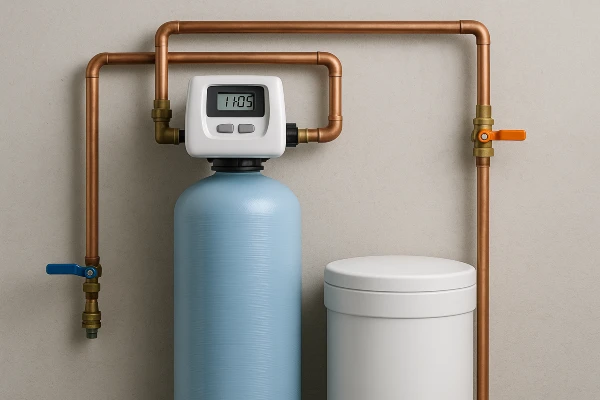
Borescopes turn a half-inch exploratory hole into a glance that saves hours. Articulating tips with decent light let you see whether water tracks along a conduit or drips straight down. On thick fire-rated assemblies, coordinate any penetrations and seal them after, but do not let that deter you from using the scope. A Bluetooth scope that shares video to a tablet helps when you need to get approvals from an owner who is not on site.
Data loggers for the leaks that come and go
Intermittent leaks create the biggest headaches. A pressure drop that happens only when a booster pump hits a certain speed. A janitor closet overflow that appears on Wednesdays and then not for two weeks. These cases call for loggers and event correlation. Small pressure loggers can sit on hose valves, pressure ports, or even high-side gauge points on PRVs. Flow loggers clamp onto pipes and record trends. Vibration or acoustic loggers can wake when a leak signature appears. The value lies in overlaying those logs with operational schedules.
As an example, a distribution center complained of nuisance alarms on their backflow preventer discharge. We installed a pressure logger upstream and one downstream for a week. The pattern showed a 25 psi upstream spike every night at 2 a.m., coinciding with irrigation start. The downstream PRVs slammed shut, then rebounded, and the backflow spat. The fix was a soft-start irrigation controller and a surge arrestor, not a rebuild. Without loggers, we would still be guessing.
Corrosion inspection tools and ultrasonic thickness gauges
Not every leak announces itself with water on the floor. In older mechanical rooms, corroded risers and condensate lines weep into insulation until they burst. Ultrasonic thickness gauges estimate remaining wall thickness on steel and iron without cutting. A quick grid of readings on a ten-foot section can identify pitting zones and give you a risk map. Use couplant gel, clean to bare metal where possible, and calibrate the device to the known material. If the wall is too uneven, readings scatter. In those cases, remove a small insulation window and inspect visually with a mirror or borescope. Combine readings with a moisture meter on adjacent insulation. If the insulation reads saturated but thickness is acceptable, you have time to plan a shutdown and replacement before failure.
Anodic activity around brass valves or dissimilar metal joints deserves a closer look. Electrolysis return paths through grounding, or stray DC from equipment, can accelerate pinholes. A simple multimeter to check for unwanted potential between pipes and equipment frames has saved me from misdiagnosing leaks that were symptoms of a bigger electrical bonding issue.
Smart monitoring and temporary leak sensors
Permanent leak detection systems make sense in sensitive areas like telecom rooms, under raised floors, or around critical mechanical equipment. Water rope sensors detect presence, but they only tell you after the fact. Point sensors placed intelligently catch puddles before they spread, and wireless versions that report via gateways give you a head start if a leak starts at 3 a.m. These are not replacements for the plumber’s tools, but they are part of a complete strategy and they influence your choice of test gear. When a site has a monitoring system, you can cross-check time stamps to align pressure events with sensor trips.
Temporary deployment of consumer-grade leak pucks during an investigation can also help. Place them under suspect ceiling tiles or in pan trays, then induce conditions that would force a leak. They chirp or notify an app when the drip finally shows. The cost is trivial compared to a day of chasing.
Choosing the right tool for the pipe and the environment
Different pipe materials change your likelihood of success with any given method. Copper and steel carry acoustic signatures well. PVC and HDPE dampen them. In a cast-in-place slab, the sound attenuates quickly, so you may need to follow a line and listen at every accessible projection rather than on the slab surface. Tracer gas works on most materials, although porous backfill can mask the surface signal. Thermal imaging shines on hot lines and on cold lines in humid spaces where condensation betrays the path. On roof drains and storm lines without constant pressure, dye testing or staged water testing may beat high-tech options.
On the environmental side, background noise kills acoustic work. Night or early morning testing in supermarkets, hotels, and airports helps. In residential towers with 24‑hour activity, coordinate with security to silence or bypass certain equipment briefly. For sensitive locations like hospitals, check infection control protocols before opening any ceiling or introducing gas.
Documentation tools that keep projects moving
The best leak detection proves its value twice: once when you find the leak, and again when you present clear documentation that unlocks approvals. A phone camera is fine, but a platform that tags photos to floor plans and stores instrument logs under the same job number saves headaches. If you use a correlator or thermal camera, export the reports, annotate them in plain language, and attach. A simple plan view with marked test points, pressures, and readings beats a page of narrative when the property manager needs to forward your findings.
When you cut, patch, or apply tracer gas, record who authorized it, the time, and any deviations from normal operation. If you are working around sprinkler lines, note valve positions and alarm bypasses. These are not only CYA moves. They make you the plumber who clients trust with repeat work.

Training, calibration, and care
Tools do not stay accurate by wishful thinking. Acoustic sensors drift, hydrogen detectors lose sensitivity, and thermal cameras benefit from periodic calibration. Set a schedule. At a minimum, perform functional checks before a critical job. For acoustic gear, listen to a known leak simulator. For hydrogen detectors, test on a controlled source from a calibration pen or a tiny bleed. For thermal cameras, verify readings against a blackbody spot or a known temperature surface. Pressure sensors should be compared to a certified reference gauge annually if you rely on their logs for sign-off.
Storage matters. Acoustic mics hate trunk rattle and dust. Hydrogen detectors left in a hot van can fail on the next job. Protect lens glass on thermal imagers. A little discipline extends tool life and maintains accuracy where it counts.
When to combine methods, and when to escalate
Every experienced commercial plumber builds a roadmap for each site. Start with the least invasive method that has the highest odds. If the system is live and quiet enough, acoustic listening comes first. If it is a hot water recirculation leak under a slab, thermal can jump you to the right square meter in minutes. If you are dealing with plastic pipe, tracer gas may leapfrog acoustics. Pressure testing bookends the process: confirm there is a leak before you spend hours searching, then confirm the repair under controlled conditions.
Escalate when the cost of downtime or damage exceeds the cost of certainty. A data center chilled water loop justifies overnight logging, tracer gas, and a second tech with a correlator if needed. A small boutique that only shows a stain on one ceiling tile may not. Part of the job is explaining those trade-offs to the client, in terms they can defend to their stakeholders.
Tool recommendations by scenario, with practical notes
- For large-diameter metallic mains in quiet conditions: an acoustic correlator paired with valve listening. Confirm pipe material and length, enter accurate parameters, and move sensors closer until the correlation tightens. For plastic domestic lines under slabs: tracer gas with a hydrogen sniffer, then a focused thermal scan to confirm migration paths before cutting. For hot water recirculation in multifamily or hotels: thermal imaging first during peak circulation, then acoustic confirmation at fixtures and riser valves. Follow with a short digital pressure hold after repair to prove stability. For intermittent backflow or PRV complaints: pressure loggers upstream and downstream for several days, combined with event schedules. Fix the cause rather than the symptom. For corroded mechanical rooms: ultrasonic thickness survey, moisture meter sweeps of insulation, and targeted borescope inspections to prioritize replacement before ruptures.
These combinations reflect both the physics and the practical realities of commercial spaces. They also respect the economic boundaries of many facilities. You do not need a truck full of exotic gear to find most leaks, but the right two or three specialized tools will save your margin more than once a month.
Safety and compliance in active facilities
A commercial plumber is never just a technician. You are a guest in high-stakes environments, and your leak detection plan needs a safety overlay. If you will use tracer gas, coordinate with building engineers about ventilation and alarms. If you will open ceilings in healthcare or food service, follow containment protocols and restore fire ratings after inspection. When dealing with fire protection, involve the sprinkler contractor and the monitoring company before you shut or tag anything. Document lockout points for pumps before pressure testing hydronic loops. These are simple steps, but they prevent the kind of incident that erases the goodwill your technical skill creates.
The business case for better leak detection
Owners judge plumbers on speed, accuracy, and disruption. Leak detection tools bend all three curves in your favor. A correlator that turns a day of demo into two hours of pinpointing pays for itself in client trust and repeat contracts. A digital pressure test plot that ends a dispute signals professionalism. Even basic upgrades like a higher-resolution thermal camera change the tone of meetings when you can show clear, unambiguous images rather than vague hot blobs.
For those building out a kit, prioritize based on your market. If you serve warehouses and campuses with long distribution runs, a correlator is worth the investment. If you focus on hotels and multifamily, a better thermal imager and a hydrogen detector will see weekly use. Always keep a reliable set of baseline tools: gauges, thermometers, moisture meters, borescopes, and pipe locators. These are the plumbing tools that underpin every fancy technique.
A final field note
Tools do not replace judgment. The best commercial plumbers know the building tells a story if you listen. A faint vibration at a PRV, slight warmth in a corridor you walked a dozen times, a backflow that grows louder at night. Use the gear to translate those clues into proof. When you get it right, you solve problems before they turn into shutdowns, you protect tenant operations, and you reinforce the value of skilled commercial plumbing in a way that spreadsheets and proposals rarely can.
With a thoughtful kit and a disciplined approach, leak detection becomes less of a hunt and more of a method. That is how you safeguard systems, protect budgets, and build a reputation that keeps the phone ringing.
THE LEANDER PLUMBER - COMPANY 1789 S Bagdad Rd #103, Leander, TX 78641 (737) 530-8021