Commercial painting thrives on choreography. Crews move through occupied offices, retail floors, schools, and healthcare spaces while people keep working, studying, and shopping. The paint has to flow, productivity has to hold, and the client can’t feel like they are living in a construction zone. That balance doesn’t come from luck. It comes from disciplined scheduling, hard‑won habits, and a toolbox of small decisions that add up to real efficiency.
I learned this rhythm in buildings that never slept: call centers that housed three shifts, labs that ran assays around the clock, and hotels that sold every room on weekends. Commercial painters in Dallas, TX face an extra twist, with humidity swings and heat that can stretch drying times or push odor management to the foreground. Yet the principles travel well. The goal is to deliver a clean, durable finish without stealing time from the people who use the space.
Understanding the live environment
Live environments vary by who occupies them and what those occupants value most. A prep heavy project in a hospital wing may be silent during rounds and shoulder the noise later. A law office may care more about dust containment and security for documents than about the smells of low‑VOC paint. Retail tenants need clear customer pathways, and they won’t thank you for painting checkout lanes at 5 p.m. on a Friday.
The first job is to translate a floor plan into a map of risk and opportunity. You’re looking for zones that can be isolated, circulation routes that must stay open, surfaces with specific curing or odor limits, and operations that run on fixed schedules. In Dallas, for example, I’ve scheduled exterior envelope work on east elevations early in the morning to avoid blistering surfaces as temperatures climb, then pushed crews indoors by noon when heat indexes spike.
The second job is to place the work in time. Night work solves many problems but creates others, including premium labor rates and building access issues. Early mornings often offer a sweet spot: empty floors, cool surfaces, and time for coatings to flash off before occupancy. The key is to find the time blocks that match the coating chemistry and the building’s pulse.
Preconstruction planning that actually reduces chaos
Real productivity begins before a roller touches a wall. A preconstruction meeting that covers only color approval and a start date is a missed opportunity. I push for a briefing with the general contractor or facilities team, security, janitorial, and at least one client stakeholder who knows how the space truly functions. That’s where undocumented details surface, such as a weekly board meeting that takes over the largest conference room, or a dialysis schedule that can’t be interrupted.
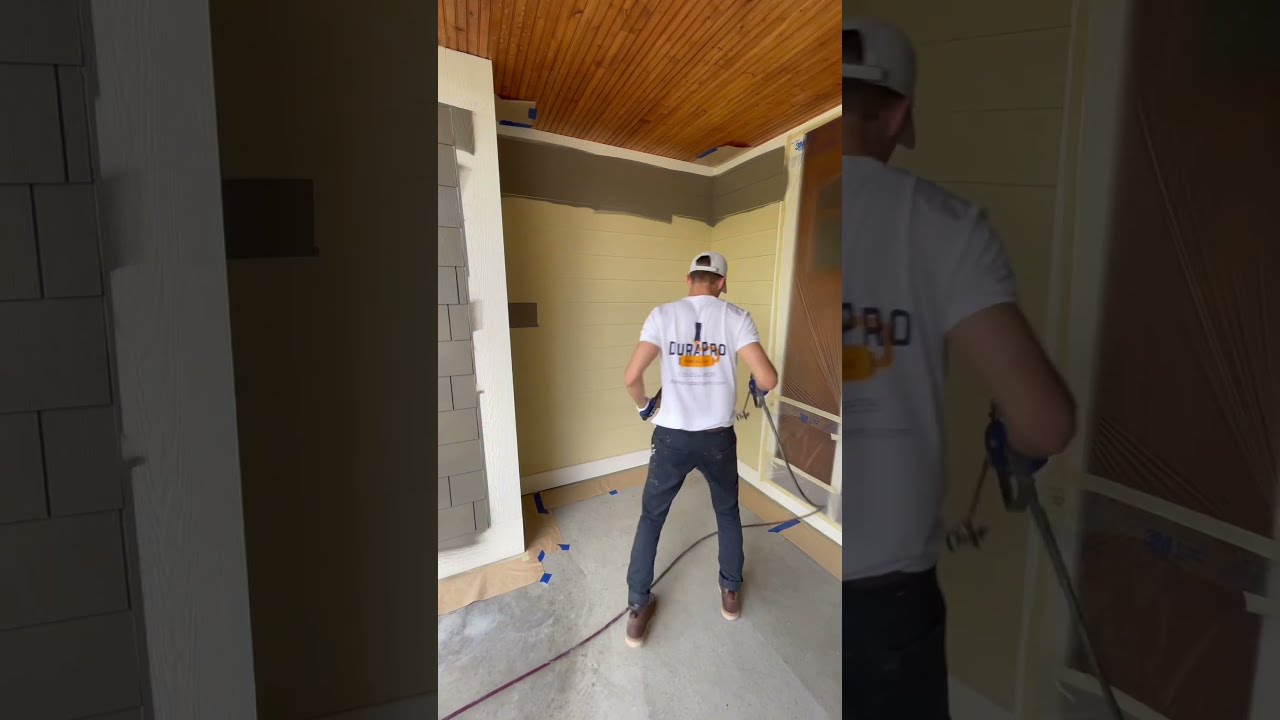
We build a work breakdown that centers on segmentation: define rooms, bays, or zones that can be sealed, painted, and turned back in 24 to 72 hours. Then we set batch sizes. If the batch is too big, we stretch containment and compromise handoff times. If it’s too small, we lose time to mobilization.
Material planning runs alongside. If the spec calls for tinted primers or multiple sheens, verify lead times. For corporate projects, brand colors often require custom tints. Mixing colors of paints on site seems straightforward until you are trying to match a saturated corporate violet across 20 offices at 2 a.m. The solution is to lock down color recipes early, order enough pre‑tinted material from the same batch, and reserve an extra 5 to 10 percent for punch and future touch‑ups. When mixing is necessary, standardize with calibrated mixing sticks and measured additions, and document ratios in the foreman’s log so the second shift can mirror the first.
Contracts that support the schedule
Commercial painters contracts can either anchor the schedule or quietly sabotage it. The most useful contracts on live projects do a few specific things: they define work hours, outline access requirements, and set response times for coordination requests. They also spell out who moves furniture, who unplugs devices, and whether painters can shift small items within a defined footprint.
Change clauses matter. Live environments generate discoveries: a substrate that wasn’t primed before, a previous coating that fails adhesion tests, or a facility manager who extends a no‑noise window for an unexpected event. Contracts that allow documented field conditions to trigger schedule adjustments, along with a fair pathway for compensation or time, keep crews moving instead of arguing.
Indemnification and liability provisions should explicitly cover occupant property. In an active suite, a drop of alkyd on a designer handbag can become the costliest moment of the project. Tight language combined with tight practice prevents that scenario.
The right tools for live work
The most common tools commercial painters use don’t change, but the constraints of a live space shape the list and how we deploy it. You still have your brushes, rollers, poles, trays, and sprayers, yet you select for precision and containment. Short‑nap microfiber rollers control spatter around electronics. Angled sash brushes let you cut lines cleanly without masking every edge. Low‑pressure airless sprayers with fine‑finish tips produce a tight fan pattern and reduce overspray, useful for doors and trim, provided the zone is sealed and ventilated.
I lean on modular scaffolding and podium ladders that fit through standard doors and roll on non‑marring wheels. In tight office corridors, a 6‑foot podium with a guardrail is safer and faster than a stepladder for continuous cut‑in work. For ceilings, extendable poles paired with lightweight frames trim fatigue. LED task lights with high CRI values reveal holidays before you demobilize.
Dust and odor control gear is non‑negotiable. Negative air machines, zipper‑door poly, tack mats, and HEPA vacuums transform a live space into a paint zone without turning it into a war zone. Moisture meters and infrared thermometers earn their keep when weather swings threaten dry times, something Commercial painters in Dallas, TX know too well after a summer thunderstorm rolls through and pushes ambient humidity past 70 percent.
Protection gear that respects the space
Protection gear commercial painters wear must cover two fronts: worker safety and occupant comfort. The baseline is familiar: cut‑resistant gloves, safety glasses, non‑slip footwear, and hard hats where required. In occupied buildings, hearing protection needs to be selective so crew members can communicate with staff and security. Respiratory protection should match the chemistry. Even low‑VOC products can irritate sensitive occupants, so I train crews to fit test respirators and to stage fragrance‑free wipes and barrier creams that help when solvents contact skin.
High‑visibility vests might feel out of place in an office, but in mixed‑use buildings they keep painters visible to delivery carts and maintenance teams. Long sleeves and lightweight coveralls protect the finish as much as the worker, preventing skin oils from contacting surfaces during final coats. I also ask supervisors to carry a compact spill kit and to set up a dedicated wash station so hand cleaning doesn’t migrate to restroom sinks.
Sequencing work without stopping the building
Sequencing decides whether a project glides or grinds. In a bank branch, I start with back‑of‑house staff areas and work outward. In a medical office, I target rooms with the most flexible schedules, then move to procedure rooms when the staff can swing the downtime. In schools, summer break is ideal, but during the year I use Friday nights for hallways, then flip classrooms by grade level in 24‑hour cycles.
The day‑to‑day pattern is familiar but tuned. Prep during low occupancy: mask, protect, and clean surfaces in the early morning. First coat goes on as soon as the daily low humidity window opens. While it flashes, another crew handles doors and trim in a separate zone or performs punch on finished rooms. Second coat follows as soon as recoat windows permit. Overtime is not a blunt instrument, but when a coat needs to land before a noon tenant meeting, the schedule bends to the coating.
Where spraying is allowed, I schedule it at the tail of a shift, then keep the zone sealed overnight to contain odors. Rolling dominates in live environments because it manages splash and noise, but a hybrid approach pays off on door frames and cabinets, provided we erect a proper spray booth inside the suite.
Communication that earns trust
The craft shows in the paint film and the edges, but the success of live‑environment work shows in emails, signage, and how calmly the front desk feels. Daily updates should be short, honest, and free of jargon. A floor plan with shaded work zones tells a better story than a paragraph. Occupants care about where they can walk, what they will smell, and when they can reclaim their desks.
I set up a simple feedback loop: a direct contact for urgent issues, and a daily check‑in with facilities. When an executive extends an important client visit, you adjust. When the janitorial team needs access to a zone that is still tacky, you mark a path that keeps them off the fresh wall. Small accommodations stack up into goodwill, and goodwill buys schedule flexibility when you need it most.

Managing odor, noise, and air quality
Most owners expect low‑VOC products. That helps, but it is not a free pass. Low‑odor is not no‑odor, and sensitive noses can detect changes even after a day. Plan ventilation before the first stroke. Pull air out through negative machines rather than pushing conditioned air in, and avoid sending paint‑laden exhaust toward entrances. If outdoor air quality is poor, as happens during Texas ozone alerts, weigh the benefit of more ventilation against occupant health and odor drift. Sometimes the smartest move is to shift the schedule forward by a few hours to use the cleanest air window.
Noise is equally practical. Scraping and sanding are the biggest offenders. Where patching is heavy, I schedule the noisiest work right after occupants leave or before they arrive. For hand sanding in sensitive areas, I pair sanding blocks with HEPA vacuums, then plan a second pass with quiet finishing sanders during normal hours.
Weather, chemistry, and the Dallas factor
On paper, a paint’s recoat window is a neat number. On a Dallas August afternoon, heat and humidity twist that number. Acrylics can skin quickly on the roller, then take longer to cure inside the film. Alkyds and urethanes can push odor beyond what an office can tolerate unless they are carefully sequenced. The counter is to track dew points, not just temperatures. I keep a small hygrometer in the job box and build the schedule around the hours when the spread between surface temperature and dew point stays healthy. If a storm front tracks in, I shift to interior trim or touch‑ups while the walls wait.
Exterior work affects interiors. If we are painting a storefront fascia, I coordinate with indoor crews to minimize door openings during high odor periods, and we keep occupants informed about when the smell may drift inside. Sun movement matters. A dark south wall will heat up fast and may spike surface temperatures past the manufacturer’s https://www.paintersdallastx.com/contact recommended limit. Paint that wall early, then move to shade.
Quality control without do‑overs
In live environments, rework hurts more than pride. It extends closures and erodes trust. Quality control functions as part of the schedule, not after it. A good foreman runs light checks as soon as the second coat is tack free, inspects cut lines at eye level and knee level, and touches up while the room is still sealed. That way, you don’t remobilize containment for a missed corner.
I rely on a few repeatable habits. Tangible wet mil gauges confirm distribution on high‑value surfaces like feature walls. Adhesion tests on suspect substrates tell you whether a bonding primer is required before you commit 3,000 square feet. A punch notebook organized by room number prevents scattershot fixes. When a client walks the space, you want their list to be half as long as it would have been without that discipline.
Furniture, technology, and the art of moving fast without breaking anything
Moving furniture and protecting assets can consume more time than rolling walls if you don’t manage it. Contracts should identify who handles moves, but in practice, painters often do light shifts. I cap those shifts by weight and by item type, and I make that constraint clear to occupants. Labeled floor plans show where items will land temporarily. Furniture glides, corrugated corner guards, and breathable floor protection prevent damage and let desks slide without scratching hardwood or polished concrete.
Electronics raise the stakes. Disconnecting or moving monitors and docking stations invites risk. I prefer to paint behind mounted screens by loosening brackets and swinging the screen out on a padded wedge, then locking it back when done. For server rooms and telecom closets, I avoid them entirely during business hours and consult the client’s IT lead on any plan that touches those racks.
Crew composition and shift design
A live environment punishes teams that sprint, stall, and sprint again. The flow is better when the crew size stays consistent and tasks overlap. Two to three painters per zone is a sweet spot in most offices: one on cut‑in, one on rolling, and one floating between prep and punch. If ceilings are in scope, a dedicated ceiling hand keeps production linear while wall hands keep pace at lower heights.
Shift design depends on building rules and labor agreements. When night work is required, I shrink the crew and focus on higher impact tasks. Smaller teams reduce noise, control waste, and make security coordination simpler. To maintain productivity across shifts, keep a single point of command. A day foreman and a night foreman can work, but they must overlap by at least 30 minutes to exchange notes, color confirmations, and watchouts.
Color management without surprises
Color is where owners get nervous, especially with branded environments. Even when spec sheets list familiar names, field lighting throws a curve. Before the bulk order, I install test patches at different heights near windows, under downlights, and in corners. I photograph them with a color‑neutral reference card so the designer sees what the human eye will see, not a camera’s auto‑corrected guess.
For accent walls, sheen matters as much as hue. Eggshell hides touch‑ups better than satin in high‑traffic offices, but satin can pop under track lighting. If the spec relaxes, I discuss the trade‑off with the owner. Once locked, I label every can with project, zone, date, and sheen. When mixing colors of paints on site for minor adjustments, I record the additions by ounce and by brand so a second batch matches the first. This is a small discipline that averts big headaches.
Safety and etiquette when people are watching
Workers notice everything, not just the tape line. Sloppy behavior reads as sloppy work. I coach crews to keep language professional and to avoid music unless the client invites it. Food stays outside the work zone. Walkways remain clear at all times. When someone asks a question, the answer is polite and brief, followed by a redirect to the site contact for anything beyond immediate safety.
From a safety standpoint, the biggest risks in live spaces are trip hazards and unsecured ladders. Cords get taped or routed along baseboards. Ladders get stationed, not drifted. Signage is plain and direct: wet paint, do not enter, fumes present, floor protection in use. Fire life safety cannot be an afterthought. If your containment covers sprinklers or smoke detectors, coordinate with building management, and only install approved fire retardant poly where allowed.
When schedules slip despite your best plans
Even the best schedule meets reality: a supply delay on a custom door enamel, a tenant event that blocks access, a surprise substrate failure. Recovery depends on elastic thinking. If you lose a zone, you backfill with trim, doors, or stairwells. You can also pivot to an exterior or mechanical room if you built those alternates into your plan. Communicate the change before the client discovers it. Offer a revised handoff date for the affected area and a brief explanation. Solutions beat apologies.
If weather forces a pause on exterior work, protect the partially painted surface. Water stains on fresh acrylic look ugly but are often salvageable with a light wash and one more coat. Track the hours lost so the project ledger remains honest. Goodwill carries you only so far without accurate records.
A practical, pared‑down checklist for live‑environment readiness
- Confirm work hours, noise limits, and access rules with building management in writing. Verify coating specs against site conditions, including humidity and temperature ranges. Segment the floor plan into 24 to 72‑hour zones with clear handoff dates. Stock containment, ventilation, and protection gear sized to those zones. Create a simple daily communication plan: who gets updates, at what time, in what format.
Why Dallas details matter
Dallas brings a few quirks beyond heat. Many suburban campuses use tilt‑wall concrete, which loves to telegraph imperfections. A good block filler or high‑build primer saves time later. Severe weather can swing from dry winds to sudden deluges. When fronts move through, negative air machines can pull more outdoor air than you want, so adjust fan speeds to maintain pressure without overwhelming odor control. Large corporate tenants often carry strict brand standards, and procurement can be centralized out of state, which means change approvals take time. Build that lag into your schedule to avoid idle crews.
Labor availability runs hot and cold. During peak seasons, you may be tempted to overextend teams across too many buildings. Resist. Productivity drops when foremen split attention and crews stretch. Fewer projects executed cleanly beat more projects executed messily, particularly when the work happens under a client’s nose.
Closing the loop after turnover
A strong turnover day includes a walkthrough, a punch list you can burn down in hours, and documentation. Leave behind a small touch‑up kit labeled by color and sheen. Provide data sheets and maintenance guidance in a clean folder or a simple PDF packet. If the building has an FM software system, log the completed zones and paint types so future teams don’t guess. Offer a 30‑day touch‑back window. That small gesture helps clients relax about latent scuffs after move‑backs and gives you a chance to tidy up small issues before they become complaints.
On live projects, reputation is your next bid. Crews that operate with quiet confidence, respect the space, and hit their marks win repeat work. Good scheduling makes that possible. It is not glamorous, but it is the backbone of productivity.
The simple truth behind the choreography
Productive painting in occupied spaces hinges on four truths that years on site keep confirming. First, segmentation beats bravado. Break the job into pieces you can control. Second, chemistry rules the calendar. Match the product to the environment and the clock. Third, communication shrinks friction. Tell people what you will do, then do it, then tell them what you did. Fourth, respect compounds. Treat the space and its people with care, and they will return the favor when you need a late night or a locked room.
Do these consistently, and the soundtrack of your project changes. Less apologizing, more handing back rooms on time. Fewer mysteries, more progress you can see by noon. The painting looks better, not because of magic, but because the schedule made room for quality. That is what “scheduling smarts” looks like on a Tuesday at 6 a.m. when the lights flip on and a crew rolls in, containment ready, colors confirmed, and the building barely notices they are there.
PAINTERS DALLAS TX 712 S Walton Walker Blvd, Dallas, TX 75211 (469) 459 9854